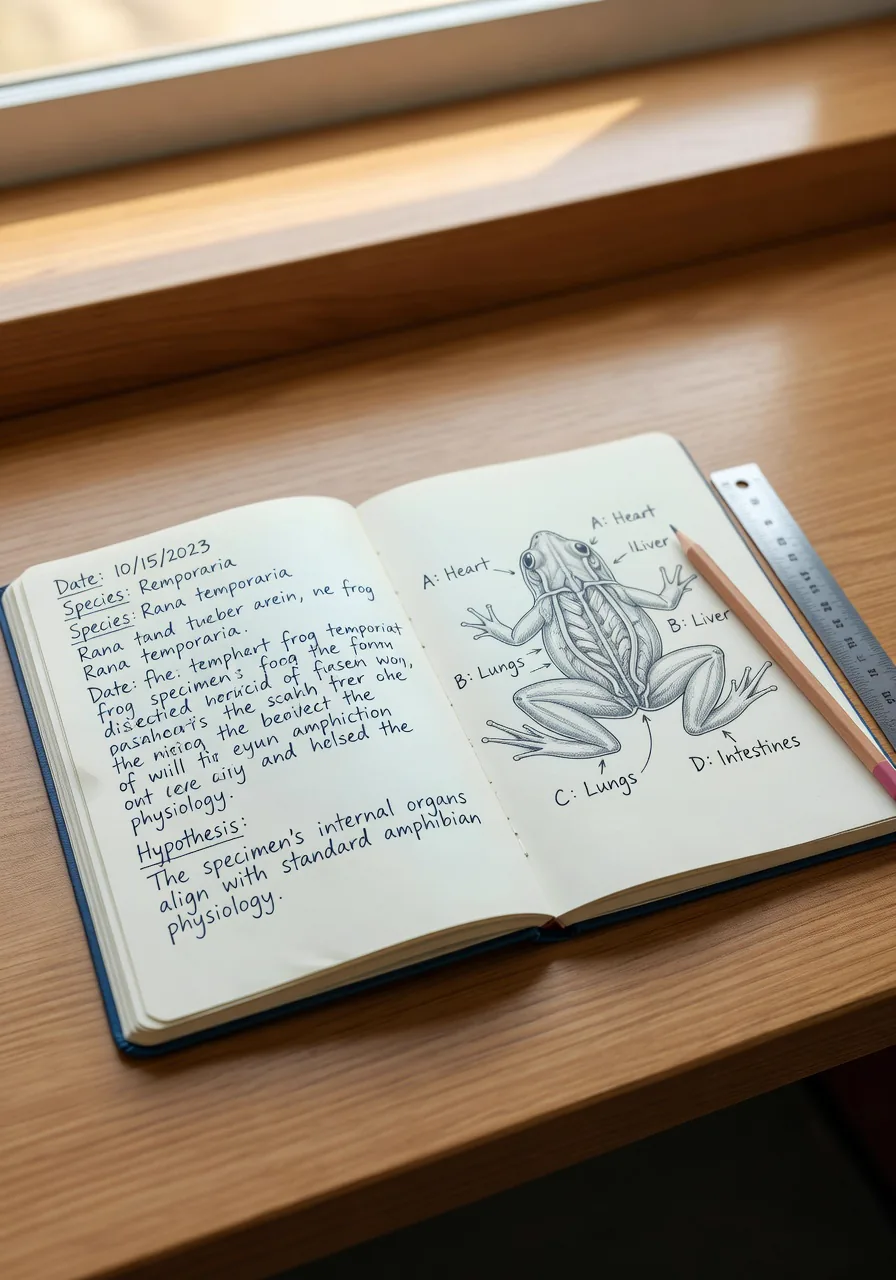
A good test result shows performance at one point in time. It does not establish what a student will remember later. Revisiting earlier ideas helps the teacher identify what has been retained and what needs further practice.
The trouble is that a course built around one big test per unit rewards exactly this. The rational move, if the test is the only thing that counts, is to wait until the last minute, pack it in, and dump it out. The system is working as designed. The design is the problem.
Learn → Master → Retain
Bright Minds Biology replaces cram–pass–forget with a different loop, and it is short enough to put on a sticky note: Learn → Master → Retain. A student advances through a concept when they can reproduce it, explain it, and apply it — not when the calendar hits a certain date. "Developing" is the honest, expected starting state. "Mastery" is earned, and once earned, it is revisited so it stays.
We don't want students who pass biology. We want students who still have their biology a year later.
What actually makes knowledge stick
The course is built around the two study techniques that cognitive science rates highest for long-term retention, and they are not rereading and highlighting, which rate near the bottom:
- Spaced practice. The two-day rhythm, with at-home work between sessions, builds in spacing automatically. A concept met on Monday is revisited Thursday and again the next week, exactly when memory needs the nudge.
- Retrieval practice. Every demonstration, every lab-notebook defense, every misconception sweep is an act of pulling the knowledge out, which strengthens it far more than putting it in one more time.
The how-to-study guide and the weekly study-cycle template hand these techniques to students directly, so the method isn't a secret the guide keeps — it's a habit the student owns.
Why mastery and standardized tests aren't enemies
Parents reasonably ask: if you're not drilling for the test, what happens on the test? The answer is that students who genuinely understand the material happen to perform better on standardized exams as a side effect. This is not a College Board AP course, but we don't replace the AP Biology exam or pretend it doesn't exist — we prepare students for it by making sure they actually know the biology. The retained version of knowledge is the one that's still there on exam day. Cram–pass–forget bets everything on a single morning. Learn–master–retain doesn't have to.