Instructor development preview. These resources describe a proposed approach. Guide training and certification are not currently offered as an available credential. Current program status and next steps.
Instructor toolkit.
The operating manual for a certified guide running this pack. The student and family materials explain what the method is; this section explains how to run it — the pacing, the certification bar, the demonstration moment, and the dependency graph behind every hold-vs-advance call.
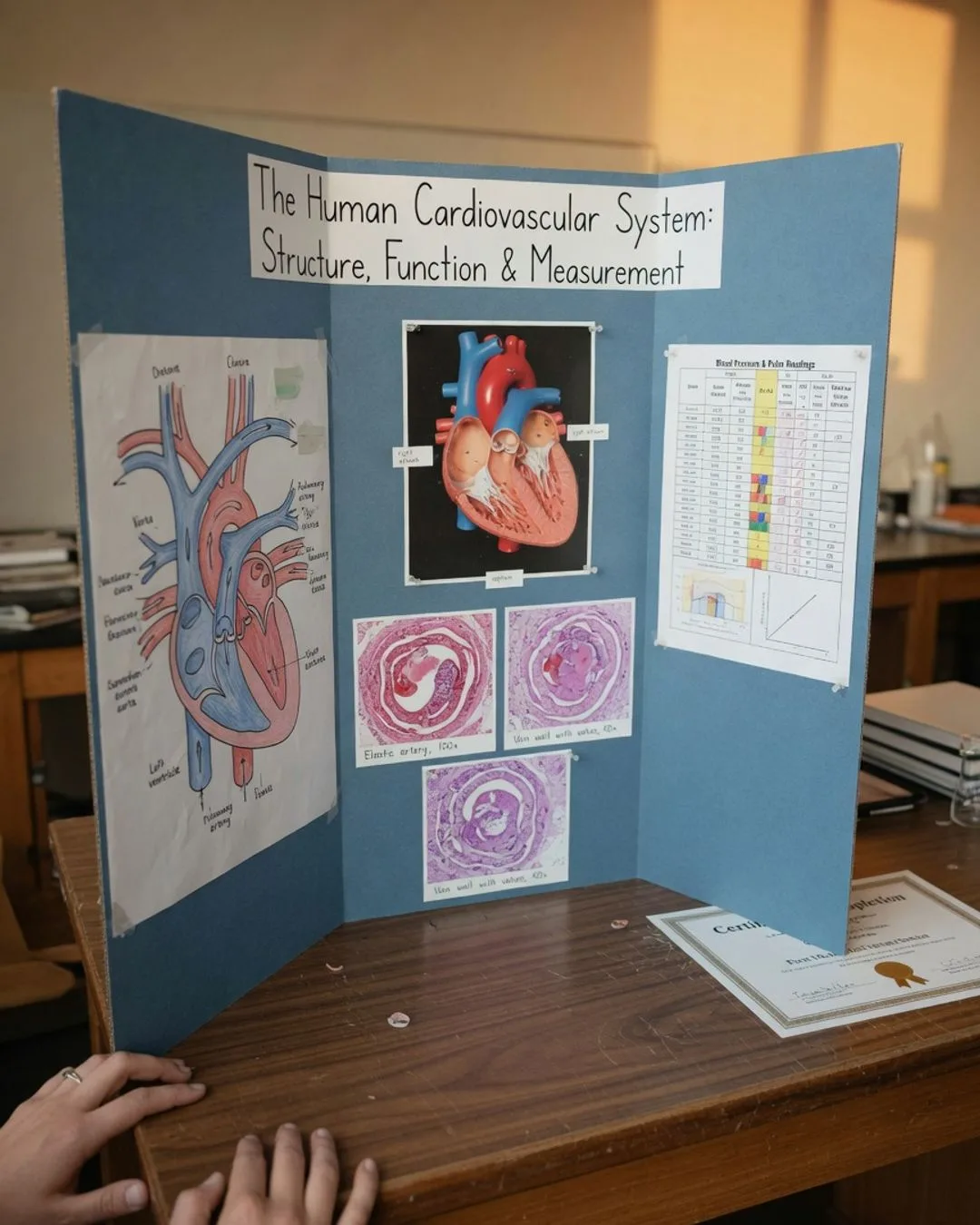
All four pages are drafted end to end and under review: the cohort pacing, the certification bar, the demonstration script, and the concept dependency graph.
Practice and separate assessor materials
Published lessons, worked answers, and the labeled histology atlas are study resources, not secure examinations. Separate draft assessor materials are available through the instructor and are awaiting educator review and not yet approved. Select fresh prompts and the learner’s declared level, references, timing, and accessible response form before use. Distribute student prompts separately from assessor explanations.
Assess source interpretation, calculations, and reasoning only where demonstrated. A digital worksheet or reference-image response cannot certify unobserved specimen handling or microscope technique. Report integration separately from science; no personal measurements or reproductive disclosures are required.
Running the two-day rhythm across a cohort: when to hold, when to advance, split-cohort tracks, and a full-year calendar with re-attempt slack.
The two competence bars, the certification syllabus, and the four-pillar rubric calibration that makes a mastery verdict reliable across guides.
All three demonstrations scripted: the setup, the question ladder, reading Mastery vs. Proficient live, and delivering a "not yet" that keeps the re-attempt likely.
The directed graph of the eight units, prerequisite gating, gap-cascade diagnosis, and using it to plan targeted re-attempts instead of whole-unit re-teaches.