
A foundational series on lab pedagogy and assessment.
Six linked essays in sequence. The first two examine what lab work teaches and why gateway courses matter. The next three consider assessment and curriculum changes; the sixth brings the ideas together as guidance for a new dean.
Foundation

What the bench teaches that the lecture cannot.
Four kinds of learning supported by lab practice: procedures, decisions under uncertainty, identification on unfamiliar specimens, and comparison of observations with a partner. With references to learning research.

Why a 1,000-student gateway course has unusual obligations.
How a large prerequisite course affects students' preparation and later admissions decisions, and why curriculum review should include the programs that depend on it.
Front-line
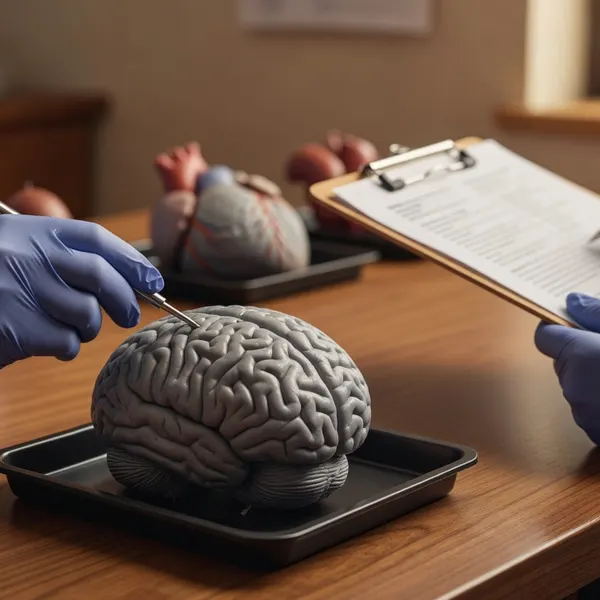
The competency I can certify after a practical, and the one I can’t after a multiple-choice exam.
What written questions and lab practicals can show about a student's knowledge and skill. The right assessment depends on the claim its results need to support.
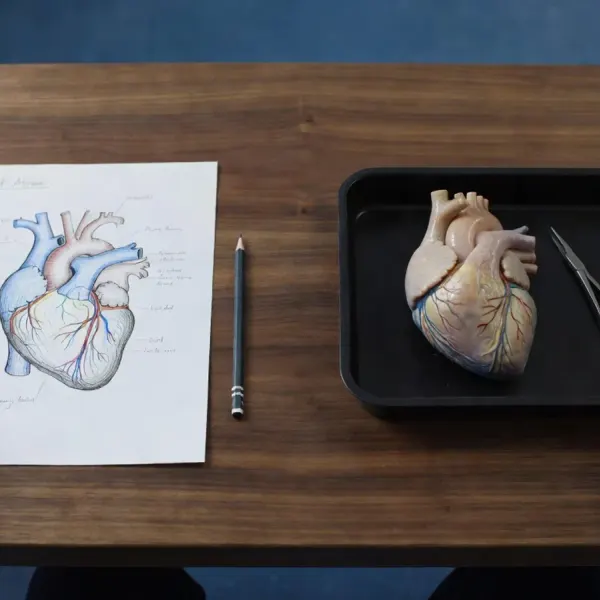
Replacing bench work with paper exercises: a measurement problem.
What the transfer-of-learning literature says about substituting paper-based proxies for authentic laboratory tasks, and where the substitution is and isn't defensible.

Pedagogical innovation vs. content reduction: a distinction worth defending.
New teaching methods and changes in required content are different decisions. Both need a clear learning goal, relevant evidence, and a plan to evaluate the outcome.

A note on the writing here. These essays argue with positions, not with people. Where the evidence is contested, the contest is named honestly. Where I am uncertain, I say so. The aim is to be useful to a reader who hasn’t made up their mind yet.